
Grace Orwigsburg
Sundays @ 9:00 and 10:30am
Grace Tremont
Sundays @ 9:00am
Grace Online
Sundays @ 9:00 and 10:30am
When Money's Got You
- September 27, 2026 / Joshua Ott
Money isn't inherently good or bad. It's a tool. But because it's such a powerful tool, it has a unique ability to shape our priorities, influence how we see the world, and quietly take over more of our hearts than we realize. Jesus warns that we cannot serve both God and money, not because having money is wrong, but because money can easily become something we trust, chase, cling to, and allow to define us. The goal isn't to have nothing; it's to hold what we have loosely. We can use wisdom, remember that everything we have ultimately comes from God, live generously, and learn to trust Him with our future. There's nothing wrong with having money or possessions; we just don't want them to have us.
KEY VERSES:
- 1 Timothy 6:10
- Ecclesiastes 5:10
- Matthew 6
- Luke 16:10-11
- Psalm 24:1
- 2 Corinthians
HIGHLIGHTS:
-
Money Isn't Evil—but It Is Powerful (1 Timothy 6:10)
- The Bible doesn't say money is the root of all evil. It says the love of money is a root of all kinds of evil.
- Money is a tool. It can provide food, housing, opportunity, margin, generosity, and the ability to help people.
- That same tool can also create debt, anxiety, comparison, conflict, and broken relationships.
- The real issue isn't simply how much money we have. It's how much influence money has over our hearts.
-
Money Isn't a Measure of Your Faith
- The message pushes back against the idea that giving more automatically means God will make you richer.
- It also pushes back against the opposite idea that having possessions or financial stability somehow makes you less spiritual.
- Money is something God entrusts to us, and the question is how we use it.
-
"Enough" Can Become a Moving Target (Ecclesiastes 5:10)
- When money becomes something we love, having more doesn't necessarily make us feel more secure or satisfied.
- The pursuit can keep moving the finish line: a little more income, a little more savings, a little more stuff.
- If we're looking to money to fill something deeper in us, enough may never feel like enough.
-
What You Treasure Shapes Your Heart (Matthew 6)
- Jesus says, "Where your treasure is, there your heart will be also."
- We often reverse that idea and assume we spend on what we already love.
- Jesus' point also works the other direction: what we continually invest our time, energy, attention, and money in begins shaping what we care about.
- Our calendars, purchases, habits, and priorities gradually form our hearts.
-
Money Reveals How You See the World (Matthew 6)
- Jesus' language about a "healthy eye" connects with generosity, while the "evil eye" was associated with greed and stinginess.
- A generous outlook sees what we have as something entrusted to us that can bless other people.
- A closed-fist outlook increasingly sees life as "mine, mine, mine."
- Generosity isn't only financial. It's a way of approaching our time, abilities, relationships, and resources.
-
You Can't Serve Two Masters (Matthew 6)
- Jesus gives a very direct warning: we cannot serve both God and money.
- Money is powerful enough to compete for the place in our lives that belongs to God.
- We don't have to be wealthy for money to control us. We can love money whether we have a lot of it or very little.
- The tighter we grip money, the easier it is for money to get a grip on us.
-
Use Wisdom With What You Have (Luke 16:10-11)
- Financial freedom doesn't mean being careless. Wisdom includes saving, planning, managing debt, preparing for the future, and making thoughtful purchases.
- Wisdom also reminds us that money will never fill every hole in our hearts.
- Faithfulness with small things matters.
-
Remember Who It Belongs To (Psalm 24:1)
- "The earth is the Lord's, and everything in it."
- Our income, opportunities, abilities, jobs, education, and resources ultimately aren't things we created completely by ourselves.
- Seeing them as gifts changes the question from "What do I want to do with my money?" to "How can I use what I've been entrusted with well?"
-
Live Generously
- Generosity isn't just about giving to a church.
- It can show up in the way we tip, help a friend, give our time, share our abilities, notice people's needs, and use money to bless others.
- If generosity isn't natural to you, start somewhere small and practice it consistently.
- Giving loosens money's grip because it reminds us that money doesn't own us.
-
Trust God More Than the Number in the Account
- The speaker shares a personal moment where generosity suddenly felt much harder once he saw the actual dollar amount involved.
- His fear exposed something deeper: money was starting to gain a grip on him.
- The turning point was remembering God's past faithfulness and choosing to trust Him again.
- The goal isn't reckless giving or financial irresponsibility. It's refusing to let money become the master of your life.
-
Give Freely, Not From Pressure (2 Corinthians)
- The message closes by stressing that generosity should not come from manipulation, guilt, or compulsion.
- Giving is something we decide in our hearts and do willingly.
- There is only one rightful Lord of our hearts—and money isn't it.
TALK ABOUT IT:
- Why do you think Jesus talks so directly about money and its ability to compete for our hearts?
- What does your spending currently reveal about what you value most?
- Where do you see the "enough is never enough" mentality showing up in your own life?
- What's the difference between wisely saving for the future and beginning to place your security in money?
- How does viewing everything we have as something entrusted to us by God change the way we think about ownership?
- Would you describe your default approach to life as open-handed and generous or protective and closed-handed? Why?
- When has money—having it, wanting it, losing it, or worrying about it—had more influence over you than you'd like to admit?
- What's one practical thing you could do this week to loosen your grip on money and live more generously?
APPLY IT:
- Look at your recent spending and ask what your purchases reveal about what currently matters most to you.
- Notice where "enough" keeps moving in your life. What financial goal have you assumed will finally make you feel secure or satisfied?
- Before a significant purchase, slow down and ask whether you're using wisdom or simply reacting to impulse, comparison, or pressure.
- Treat saving and planning for the future as wise stewardship without allowing your savings to become the thing you ultimately trust.
- Practice holding money loosely by intentionally giving some of it away.
- Expand generosity beyond money: give your time, skills, attention, encouragement, hospitality, or help to someone who needs it.
- Start somewhere small if generosity feels uncomfortable—buy someone's lunch, tip generously, help a friend, or meet a practical need.
- When financial fear starts taking over, remember specific times you've already experienced God's provision.
- Ask yourself regularly, "Do I have money, or is money starting to have me?"
- Build your financial decisions around wisdom, gratitude, generosity, and trust rather than fear or comparison.


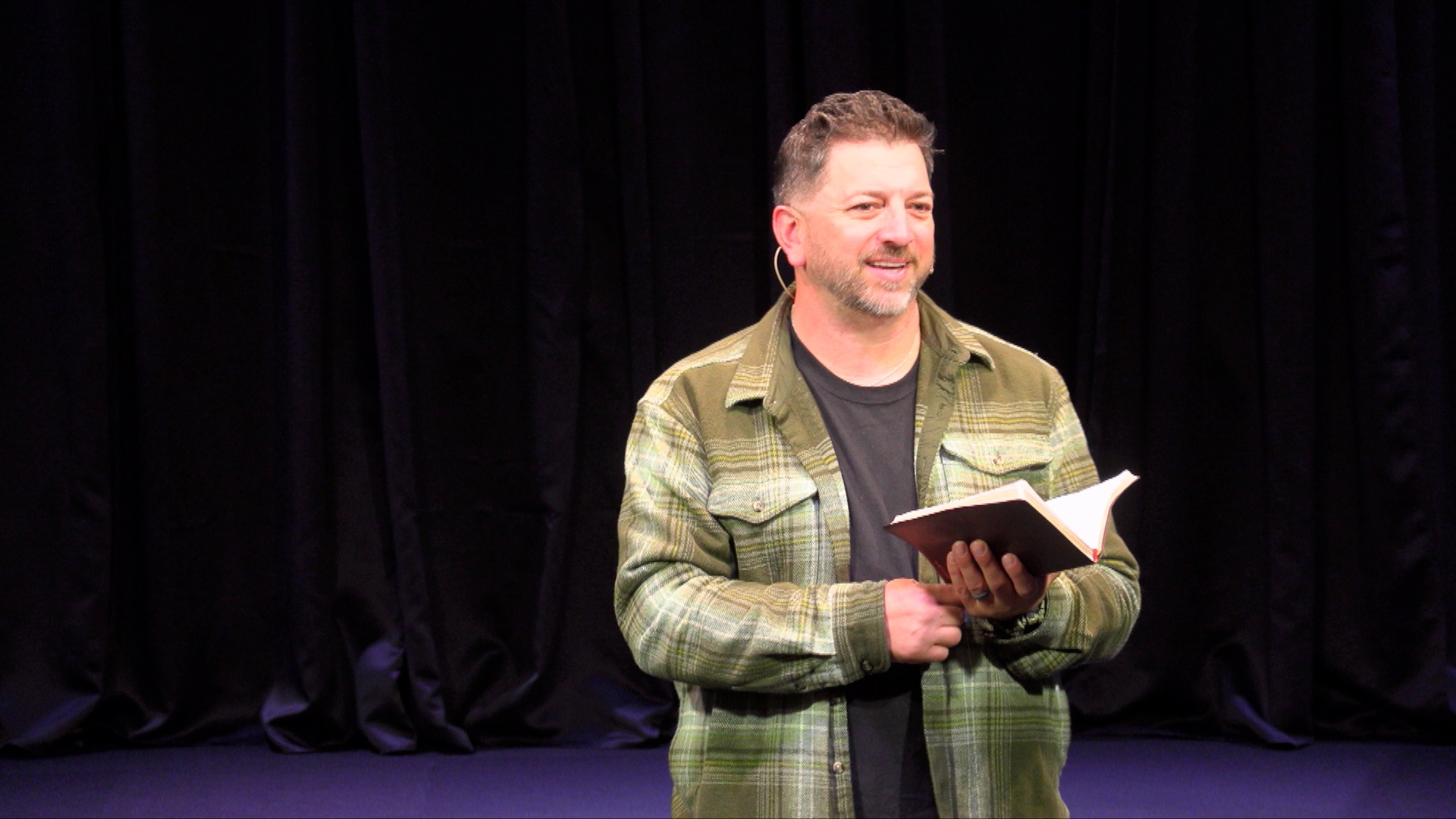

Born and raised in Schuylkill County, Josh is passionate about Grace being a church that reaches the entire county. He drives the vision, content, clarity, and leadership cohesion at our church. Josh loves old Harleys, fly-fishing, and Philly sports, but not nearly as much as a he loves spending time with his family.