
Grace Orwigsburg
Sundays @ 9:00 and 10:30am
Grace Tremont
Sundays @ 9:00am
Grace Online
Sundays @ 9:00 and 10:30am
Don’t Quit When You Get the Answer You Don’t Like
- August 16, 2026 / Joshua Ott
When God’s answer isn’t the one we wanted, faith means choosing to trust His character even when we don’t understand His actions. Habakkuk wrestled honestly with God over injustice, silence, and answers that seemed to make things worse, but he refused to walk away. His circumstances didn’t change, but his perspective did. Sometimes faith is simply choosing to stand, wait, and trust—and saying, “Yet, I will praise Him,” even when life still doesn’t make sense.
KEY VERSES:
- Habakkuk 1:2-4
- Habakkuk 1:5-11
- Habakkuk 2:1
- Habakkuk 2:2-3
- Habakkuk 2:4
- Habakkuk 2:6
- Habakkuk 2:9
- Habakkuk 2:12
- Habakkuk 2:14
- Habakkuk 2:15
- Habakkuk 2:19
- Habakkuk 2:20
- Habakkuk 3:17-19
HIGHLIGHTS:
-
Sometimes No Answer Isn’t the Hardest Answer
- Waiting on God can be incredibly difficult, especially when something deeply important hangs in the balance.
- But sometimes something feels even harder than silence: getting an answer you never wanted.
- What do you do when you pray for healing, restoration, provision, or rescue—and the answer seems to be “no”?
-
Habakkuk Starts With an Honest Question (Habakkuk 1:2-4)
- Habakkuk looks around at violence, injustice, and brokenness and asks God, “How long?”
- He knows God sees what is happening, but he cannot understand why God isn't doing something about it.
- Habakkuk is confused, but he hasn't abandoned God. He keeps asking and seeking.
-
Then God Gives Him the “Wrong” Answer (Habakkuk 1:5-11)
- God says He is doing something Habakkuk would never expect.
- At first that sounds encouraging—until God reveals that He is raising up the Babylonians.
- Habakkuk can't understand why God would use people who seem even more violent and corrupt than Judah.
- Sometimes God's answer creates more questions than it resolves.
-
When You Can't Understand God's Actions, Trust His Character
- The speaker shares the reminder: “When you can't see the hand of God, trust His heart.”
- The expanded challenge is: When you don't understand what God is doing, trust His character.
- A difficult answer can make us question whether God is good, loving, or really for us.
-
Habakkuk Chooses to Wait Instead of Quit (Habakkuk 2:1)
- Habakkuk says he will stand at his watch, look, and wait for God's response.
- He questions what God is doing without abandoning who he knows God to be.
- Sometimes faith is simply saying: “I don't understand this, but I'm not walking away.”
-
God Sees More Than Habakkuk Can See (Habakkuk 2)
- God assures Habakkuk that He sees both Judah and Babylon.
- Evil will not ultimately win, and injustice will not escape God's attention.
- God's timing isn't Habakkuk's timing, but God remains sovereign and in control.
- The story isn't finished just because the current chapter doesn't make sense.
-
Stay Faithful in the Mess (Habakkuk 2:4)
- “The righteous person will live by his faithfulness.”
- Faith doesn't mean never feeling angry, hurt, confused, or disappointed.
- Faith means continuing to come back to God even when those emotions are messy.
- You can wrestle with God and still remain faithful to Him.
-
God Still Wins (Habakkuk 2:14, 20)
- God promises that the earth will be filled with the knowledge of His glory.
- The Lord is still on His throne even when life feels completely out of control.
- What's overwhelming to us is not overwhelming to God.
-
Nothing Changes—Except Habakkuk (Habakkuk 3:17-19)
- The crops still fail. The fields are still empty. The circumstances haven't improved.
- But Habakkuk says, “Yet I will rejoice in the Lord.”
- His circumstances haven't changed, but his perspective has.
- Worship becomes an act of faith rather than a response to getting what he wanted.
-
What's Your “Yet” Moment?
- The relationship is still broken—yet I will trust God.
- The financial situation hasn't changed—yet I will trust Him.
- The healing hasn't come—yet I will praise Him.
- Don't quit because you don't like the answer. Stand, wait, watch, and trust God's character.
TALK ABOUT IT:
- Which is harder for you personally: receiving no answer from God or receiving an answer you don't like? Why?
- What do you learn from the honesty of Habakkuk's questions in Habakkuk 1?
- Have you ever experienced a “wait, what?” moment when life seemed to go in exactly the opposite direction from what you prayed for?
- What's the difference between questioning what God is doing and questioning God's character?
- What does Habakkuk's decision to “stand and watch” in Habakkuk 2:1 teach us about faith?
- How does knowing that the story isn't finished change the way you view a difficult situation today?
- Why is Habakkuk 3:17-19 so powerful considering that Habakkuk's circumstances hadn't actually improved?
- What is your “yet” right now—something that hasn't changed, but where you can still choose to trust God?
APPLY IT:
- Be honest with God about the answers you're disappointed or confused by instead of pretending you're okay.
- Identify where you've started questioning God's character because you don't understand His actions.
- Resist the temptation to force your own answer when God seems silent.
- When you feel like walking away, make Habakkuk's choice: stand, wait, and watch.
- Remind yourself of what you know about God's character when your circumstances don't make sense.
- Give yourself permission to have messy faith—anger, tears, disappointment, and questions don't mean you've abandoned God.
- Stay faithful in the things you already know God has asked you to do while you're waiting to understand the things you don't.
- Create your own “yet” statement: name what hasn't changed, then intentionally choose how you'll trust God anyway.


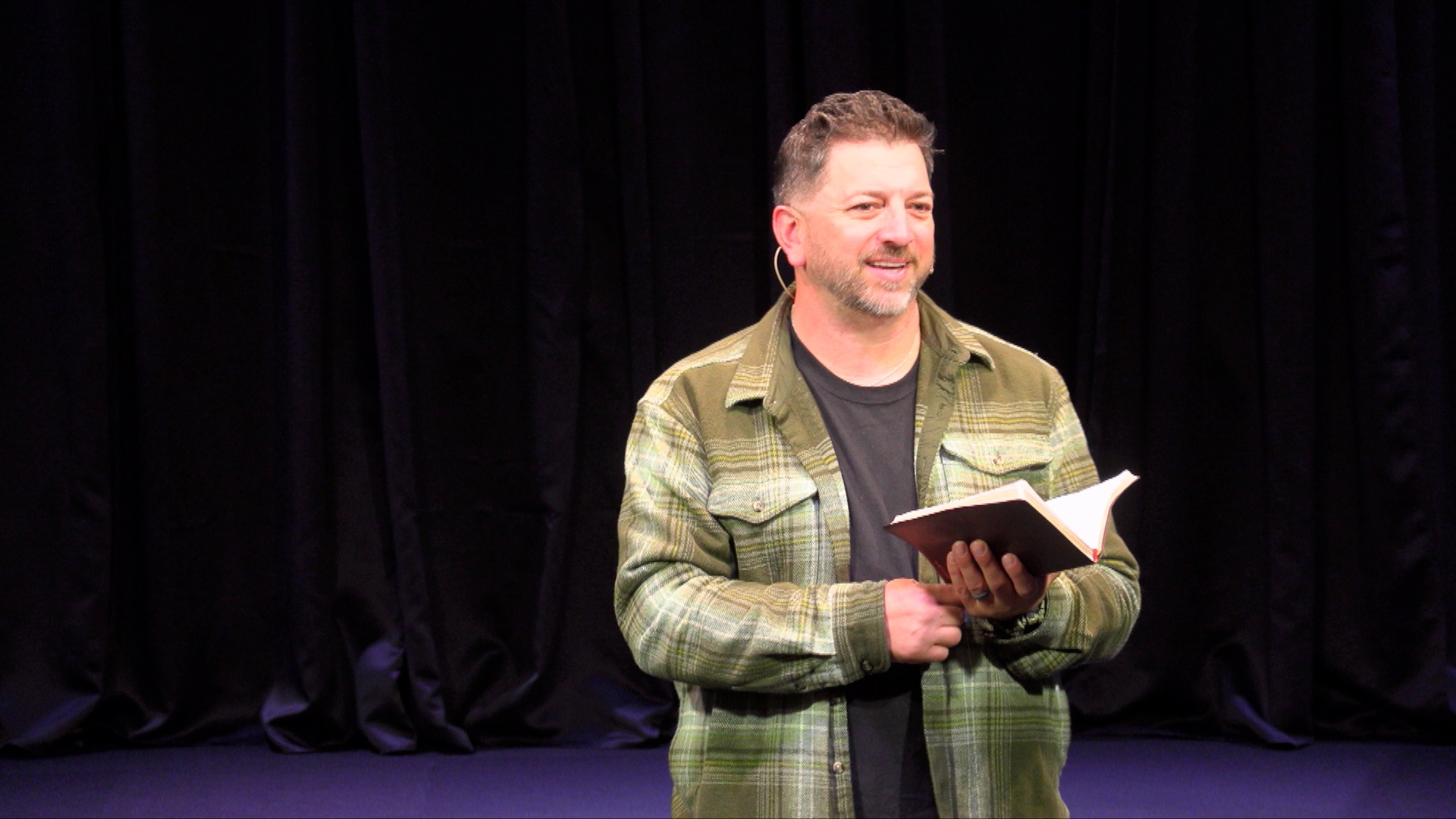

Born and raised in Schuylkill County, Josh is passionate about Grace being a church that reaches the entire county. He drives the vision, content, clarity, and leadership cohesion at our church. Josh loves old Harleys, fly-fishing, and Philly sports, but not nearly as much as a he loves spending time with his family.