
Grace Orwigsburg
Sundays @ 9:00 and 10:30am
Grace Tremont
Sundays @ 9:00am
Grace Online
Sundays @ 9:00 and 10:30am
When Anger Takes Over
- May 10, 2026 / Don Baker
While anger itself isn’t always sinful, unchecked anger can quietly poison relationships, destroy families, and damage our own hearts. Throughout Scripture, we see a clear difference between human anger, which is often driven by pride and selfishness, and God’s righteous anger, which is rooted in love, justice, and truth. Anger is usually a symptom of something deeper happening inside us, including wounds, memories, or sinful patterns that have taken root over time. But there’s hope: through God’s Word, prayer, and the work of the Holy Spirit, we don’t have to stay trapped in old cycles. In Christ, we are new people, and anger does not have to control our lives anymore.
KEY VERSES:
- Ecclesiastes 7:9
- Deuteronomy 4
- 1 Samuel 20:27–34
- Exodus 34:6
- Genesis 4
- Exodus 22–24
- Mark 3
- John 2
- Acts 15
- Ephesians 4
- 2 Corinthians 10:4
- Proverbs 23:7
- 2 Corinthians 5:17
HIGHLIGHTS:
- Intro: We All Know Angry People
- Funny “Ten Commandments” list reveals how easily people get irritated.
- Anger is everywhere—in homes, online, in traffic, and in relationships.
- Old Testament Anger Words
- Ka’as → internalized anger that eventually pours out (Ecclesiastes 7:9)
- Anger acts like poison when connected to our sinful nature.
- God’s anger is different—it’s connected to love and idolatry (Deuteronomy 4).
- The “Burning Nose” Word (1 Samuel 20:27–34)
- Anger first shows up visibly.
- Jonathan controls his anger and walks away.
- Saul does not control his anger—and it destroys his family.
- God Is Slow to Anger (Exodus 34:6)
- God delays His anger to give people time to repent.
- Love restrains His anger.
- Anger After the Fall (Genesis 4)
- Cain’s anger grows until it leads to murder.
- God warns him: master your anger before it masters you.
- What We Learn About Anger
- Anger itself isn’t always sinful.
- What matters:
- Why you’re angry
- How you express it
- Human anger often flows from pride and selfishness.
- New Testament Anger
- Orge → slow-building anger
- Thumos → explosive outburst
- God’s anger responds to injustice and misrepresenting Him.
- Jesus and Righteous Anger
- Mark 3 → Jesus angry over hard-heartedness.
- John 2 → Jesus clears the temple because people were exploiting others and misrepresenting God.
- Sinful Anger Destroys
- Road rage, verbal attacks, abuse, uncontrolled emotions.
- Anger hurts others—but also destroys the angry person.
- Strongholds and the Mind (2 Corinthians 10:4; Proverbs 23:7)
- Past experiences shape reactions and emotional patterns.
- Anger can become a learned response stored deep inside us.
- God’s truth can break those strongholds.
- How to Overcome Anger
- 1. Fill your mind with God’s Word (2 Corinthians 5:17)
- 2. Pray for the Holy Spirit’s help
- 3. Find accountability and support
- Main Takeaway
- You are not stuck being an angry person.
- In Christ, you are a new creation.
TALK ABOUT IT:
- What situations tend to trigger anger in you most quickly?
- How did you see anger modeled growing up?
- What’s the difference between righteous anger and sinful anger?
- Why do you think anger often becomes destructive so quickly?
- What “strongholds” or past experiences may be shaping your reactions today?
- How can God’s Word practically help reshape your thinking?
- What would it look like to “master your anger before it masters you” this week?
- Who could help keep you accountable as you grow in this area?
APPLY IT:
- Pay attention to what triggers your anger instead of ignoring it.
- Pause and walk away before responding when emotions start rising.
- Identify whether your anger is rooted in pride, hurt, fear, or control.
- Replace angry thought patterns with truth from Scripture.
- Memorize verses that remind you who you are in Christ.
- Ask God daily to help you respond with patience instead of reacting emotionally.
- Seek accountability from a trusted Christian friend or mentor.
- Stop excusing destructive anger as “just the way I am.”



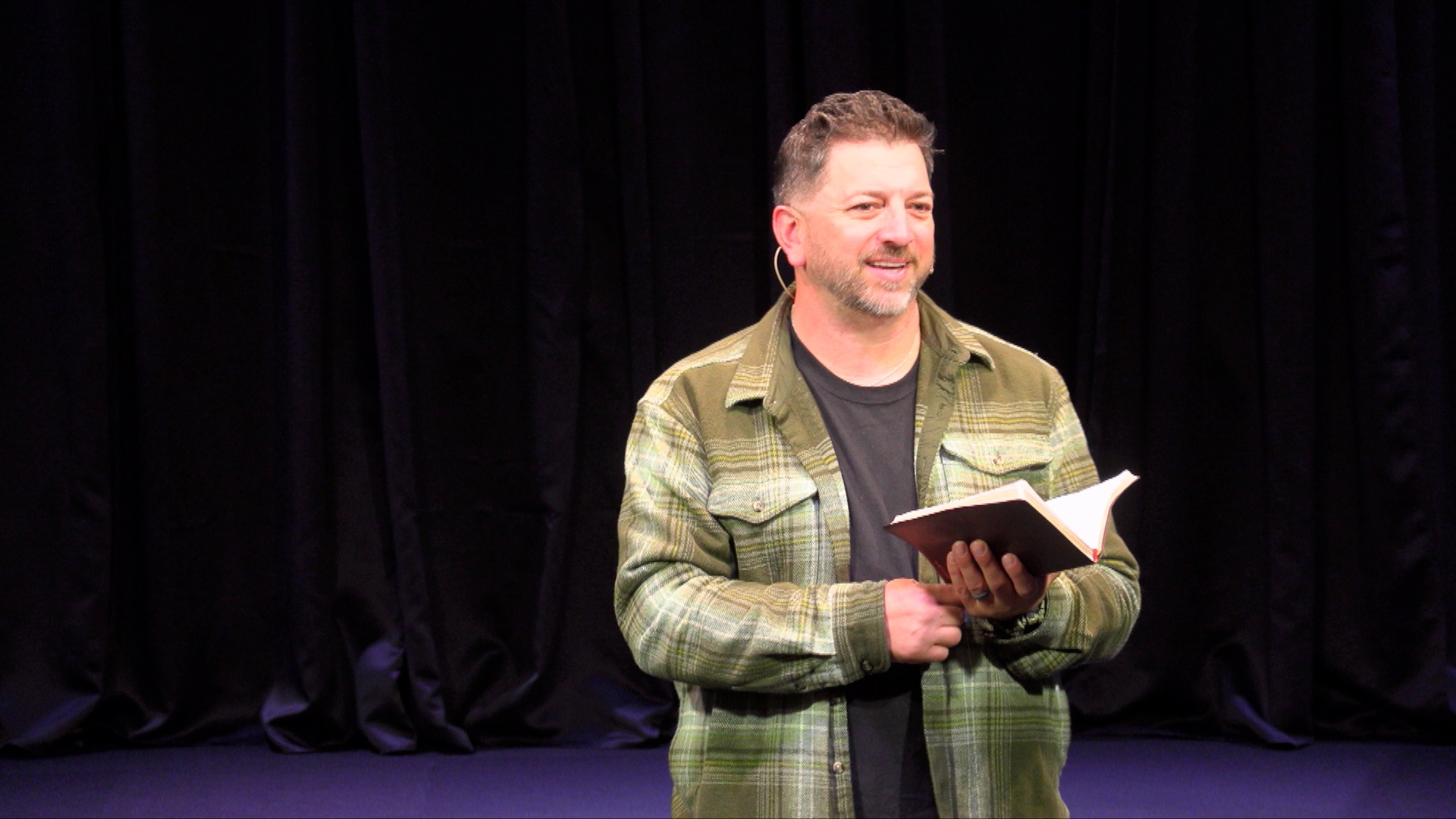
Don served in the United States Navy, and received a Bachelor of Arts in History from Indiana University of Pennsylvania. He went on to obtain a Master of Divinity from Trinity International University. He has served as a Senior Pastor in Evangelical free churches in Minnesota, Maine, New York, and Pennsylvania.