
Grace Orwigsburg
Sundays @ 9:00 and 10:30am
Grace Tremont
Sundays @ 9:00am
Grace Online
Sundays @ 9:00 and 10:30am
When Time's Got You
- October 04, 2026 / Josh Daubert
We have more ways than ever to fill our schedules, stay productive, and keep ourselves constantly entertained, but we haven't been given any more time. Scripture reminds us that life is shorter than we think and that we have a responsibility to choose how we use it. The goal isn't to cram even more into an already busy schedule—sometimes the wisest use of our time is actually to stop.
KEY VERSES:
- James 4:13-14
- Psalm 39:4-5
- Ecclesiastes
- Ephesians 5:15-16
- Matthew 6:19-21
- Psalm 46:10
- 1 Peter 4:7-10
- Hebrews 10:24
- Luke 10:38-42
HIGHLIGHTS:
-
Wrapping Up "It's Got You"
- The series has looked at things that can quietly begin controlling us: worry, money, and now time.
- We can learn to manage our thoughts and our money, but time is different—we can't pause it, rewind it, or create more of it.
- The challenge is learning how to wisely use the time we actually have.
-
We're Living in a Time Crisis
- We have more entertainment, responsibilities, opportunities, technology, and ways to fill our time than ever before—but still only 24 hours in a day.
- Our culture celebrates busyness and productivity, which can make us feel like rest has to be earned.
- Technology has made life more efficient, but instead of creating margin, we often fill the extra space with even more activity.
- We've also become uncomfortable with doing nothing. Waiting in line, sitting through a commercial, or having a quiet moment usually sends us straight to our phones.
-
Constant Busyness Has a Cost
- We become constantly tired and emotionally drained.
- Our anxiety increases, our focus gets worse, and we're more likely to burn out.
- We feel guilty whenever we're not accomplishing something.
- Our relationships can stay shallow because meaningful relationships require time and attention.
- We become impatient and constantly feel behind.
- Eventually, we may even feel disconnected from God because there's never enough quiet space to notice Him.
-
Lesson #1: Life Is Shorter Than You Think (James 4:13-14; Psalm 39:4-5)
- James describes life as a mist—here for a moment and then gone.
- Psalm 39 asks God to help us understand how fleeting our lives really are.
- Ecclesiastes repeatedly describes life as hevel—a vapor, mist, or breath.
- Compared with eternity, our time here is incredibly short.
- That isn't meant to make life depressing. It's meant to help us recognize how valuable our time really is.
-
Lesson #2: You Choose How You Spend Your Time (Ephesians 5:15-16)
- Paul tells us to live carefully and wisely, "making the most of every opportunity."
- We often talk as if our schedules are something happening to us: "I don't have time."
- But Scripture challenges us to take ownership of how we're spending our time.
- Some responsibilities can't be avoided, but we still make countless choices about the remaining spaces in our lives.
- The question becomes: Are those choices wise or unwise?
-
The Big Question: What Are You Investing In? (Matthew 6:19-21)
- Jesus teaches us to invest in things that last instead of building our entire lives around temporary things.
- One of the clearest ways to see what matters most to us is to look at how we're actually spending our time.
- What matters to us is usually what we make room for.
- Our schedules can reveal priorities that our words sometimes hide.
- Instead of only asking, "What did I get done?" we should also ask, "Was it worth giving part of my life to?"
-
Invest in Rest (Psalm 46:10)
- "Be still and know that I am God."
- Rest isn't laziness, and it doesn't have to be earned.
- God designed people with a need to stop, recover, and create margin.
- Biblical rest is more than physically doing nothing. It gives us room to re-center our hearts, notice God again, enjoy what He's given us, and worship.
- Sometimes one of the wisest things you can do with an open window in your schedule is absolutely nothing.
-
Invest in Serving Other People (1 Peter 4:7-10)
- Our schedules shouldn't reveal lives built entirely around ourselves.
- God has given each of us abilities, passions, resources, and opportunities that can benefit other people.
- Serving doesn't only help someone else—it also produces the kind of joy we were created to experience.
- Ask whether there is actual room in your life to notice and help other people.
-
Invest in Deep Relationships (Hebrews 10:24)
- We need people who encourage us, challenge us, pray for us, and help carry our burdens.
- That kind of relationship doesn't happen accidentally. It requires time.
- People can't support us deeply if they only know us on a surface level.
- We weren't designed to go through life isolated from meaningful community.
-
Most Importantly, Invest in Jesus (Luke 10:38-42)
- Martha was overwhelmed by everything that "had to be done," while Mary chose to sit with Jesus.
- Jesus describes Martha as distracted by all those responsibilities and says Mary chose what mattered most.
- Our lives are full of things that feel urgent, necessary, and important—but not everything deserves equal priority.
- At the end of the day, one of the most important questions we can ask is: "Did I spend any time at Jesus' feet today?"
- Peace, joy, rest, and fulfillment aren't things we manufacture by becoming more productive. Jesus invites weary people to come to Him and receive them.
-
The Series Ends, but the Question Stays With Us
- Worry can have us. Money can have us. And our schedules can have us too.
- We can't control time, but we can become wiser about what we're giving our time to.
- Slow down, take ownership of your schedule, and make room for what actually matters.
- Above everything else, make room to sit at Jesus' feet.
TALK ABOUT IT:
- Where do you see the pressure to always be productive showing up most strongly in your life?
- What does your current schedule reveal about what you actually value—not just what you say you value?
- James describes life as a mist. How should knowing that our time is limited change the way we spend an ordinary week?
- What's one activity that regularly consumes your time but gives very little meaningful return?
- Why can rest make us feel guilty, and how is biblical rest different from simply being lazy?
- Which of the four areas—rest, serving others, deep relationships, or time with Jesus—is currently receiving the least attention in your life?
- What are some of the "things that have to be done" in your life that may actually be distracting you from something more important?
- If you could intentionally change one thing about the way you spend your time this week, what would make the biggest difference?
APPLY IT:
- Look honestly at a normal week on your calendar and ask what your schedule says matters most to you.
- Pay attention to how often you describe yourself as "busy" or "tired" and consider whether something needs to change.
- Identify the small windows of time you normally fill automatically with your phone, social media, or entertainment.
- Experiment with leaving some of those spaces empty. Wait in line, drive, eat, or sit for a few minutes without needing constant stimulation.
- Schedule real rest before your body forces you to take it.
- Stop treating rest as something you have to earn after everything else is finished. Everything will probably never be finished.
- Make intentional room in your schedule to serve someone else instead of allowing every available hour to revolve around you.
- Invest time in a few relationships that can move beyond surface-level conversation.
- When you say, "I don't have time," occasionally replace it with, "I'm choosing not to make time for that," and see whether that changes your perspective.
- Create consistent space to read Scripture, pray, worship, or simply sit quietly with Jesus—even if you start with only a few minutes.


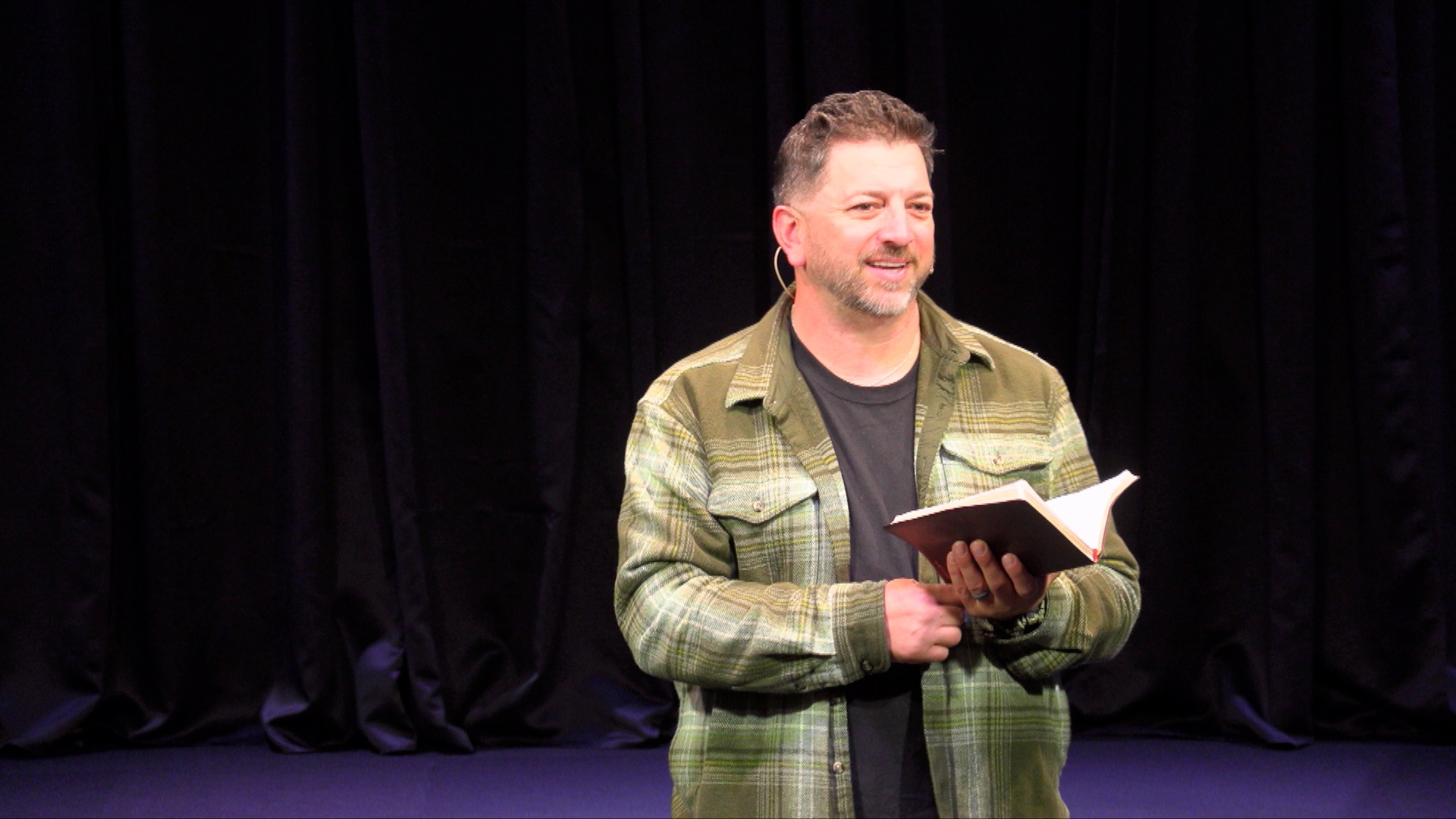
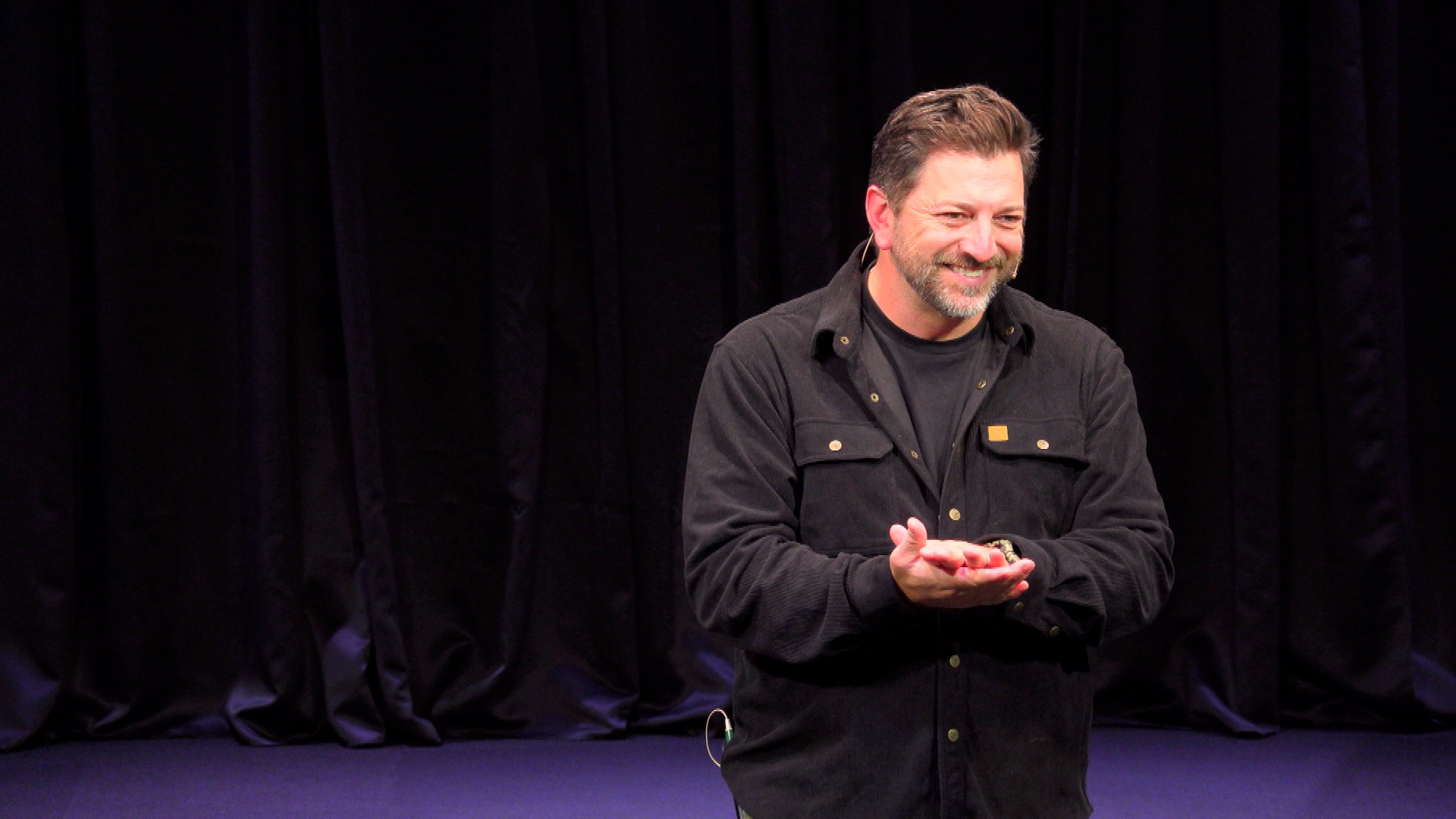
Josh Daubert is the Associate Pastor of Community at Grace Free Church. He is an Outreach Ministry graduate from Clarks Summit University, and has been a part of our church for a number of years. Josh previously interned for a summer at Grace Free Church, performing a variety of pastoral duties.