
Grace Orwigsburg
Sundays @ 9:00 and 10:30am
Grace Tremont
Sundays @ 9:00am
Grace Online
Sundays @ 9:00 and 10:30am
Joy in the Middle
- January 18, 2026 / Josh Daubert
Peace often feels like something we’ll have someday—after the problem is fixed, the relationship is restored, or life finally slows down. But peace isn’t the result of everything going right, but something we can practice and experience even in the middle of the mess. Peace doesn’t ignore hardship but walks straight through it with trust, prayer, and a renewed mindset.
KEY VERSES:
- John 16:33
- Philippians 4:4–9
- Hebrews 13:8
- Romans 8
- 2 Corinthians 10:5
- Romans 12:2
- 1 Corinthians 11:1
- Galatians 5
- John 14:27
HIGHLIGHTS:
- Peace isn’t the absence of trouble – Jesus was clear that life will be hard, but peace is still possible (John 16:33).
- Joy and peace are different from happiness – Happiness depends on circumstances; joy and peace are choices rooted in trust, not outcomes.
- Practice #1: Rejoice in God, not circumstances – Shift your focus from what’s going wrong to who God is (Philippians 4:4; Hebrews 13:8; Romans 8).
- Practice #2: Let calm, gentleness, and patience show – A steady spirit is an outward sign of inward trust, and it points others to God (Philippians 4:5).
- Practice #3: Pray about everything – Prayer releases what anxiety tries to control and builds trust where worry lives (Philippians 4:6–7).
- Practice #4: Guard your thought life – What you repeatedly think about shapes your attitude, peace, and joy (Philippians 4:8; 2 Corinthians 10:5; Romans 12:2).
- Practice #5: Put faith into action – Peace grows when belief turns into lived-out habits and rhythms (Philippians 4:9; 1 Corinthians 11:1; Galatians 5).
- Real peace comes from Jesus – The peace He gives is deeper and more lasting than anything the world offers (John 14:27).
TALK ABOUT IT:
- What does “peace” usually look like for you, and where do you normally search for it?
- Which practice from Philippians 4 feels hardest for you right now?
- How does anxiety usually show up in your thought life?
- What would change if prayer became your first response instead of your last?
- How do your reactions in stressful seasons reflect what you’re trusting?
- What voices or influences most shape your mindset right now?
- Who in your life models peace in a way you want to imitate?
- What would it look like to choose peace before your problems are solved?
APPLY IT:
- Start your day by intentionally shifting your focus to gratitude instead of stress.
- Pay attention to how you respond under pressure—practice calm instead of reacting.
- Turn anxious thoughts into prayer instead of replaying them in your head.
- Limit the mental space you give to negativity, fear, and worst-case scenarios.
- Build daily habits that reinforce trust, not control.
- Surround yourself with people whose lives point you toward peace and faith.
- Choose practices that shape peace now, not “someday when things get better.”

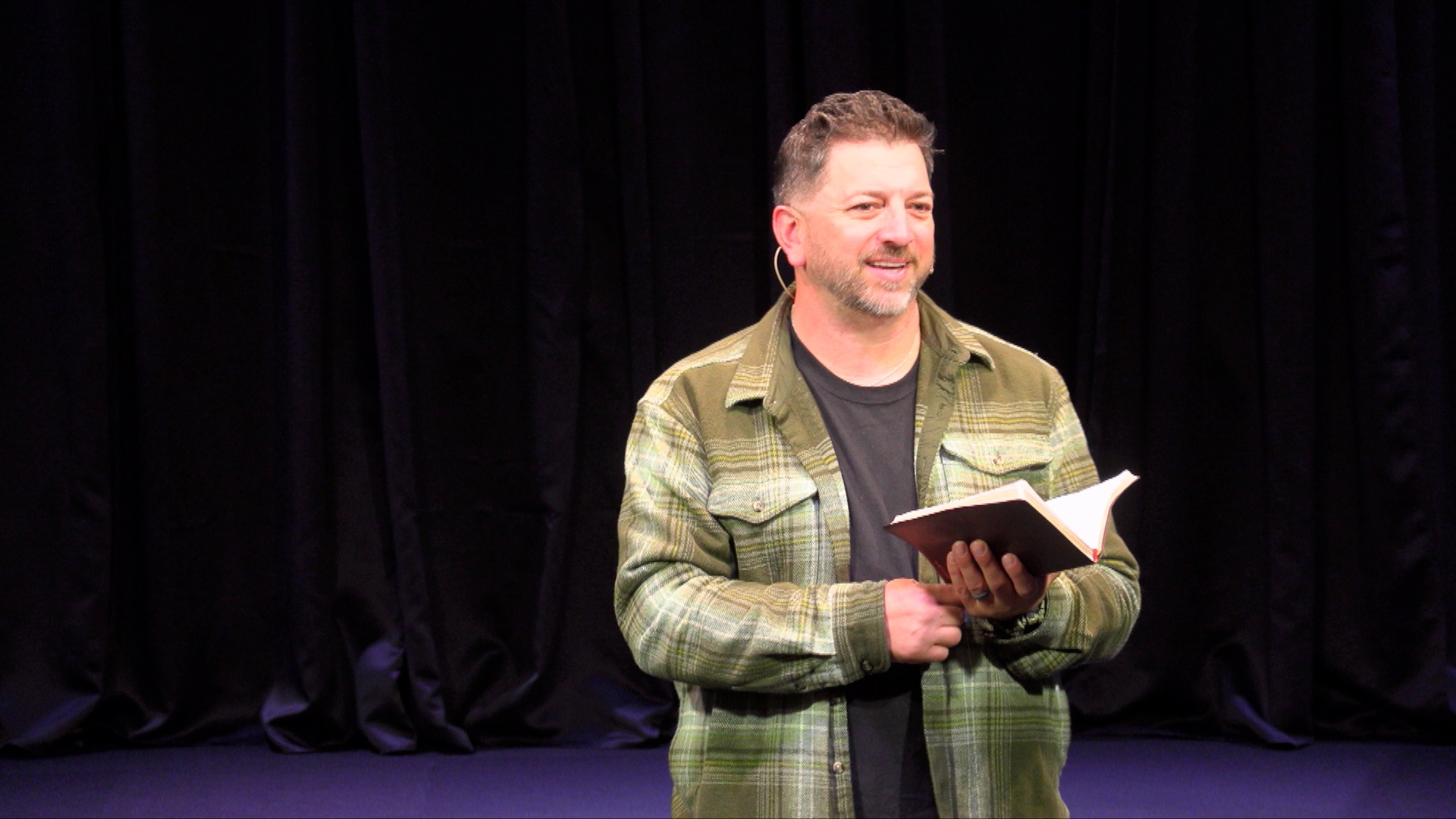

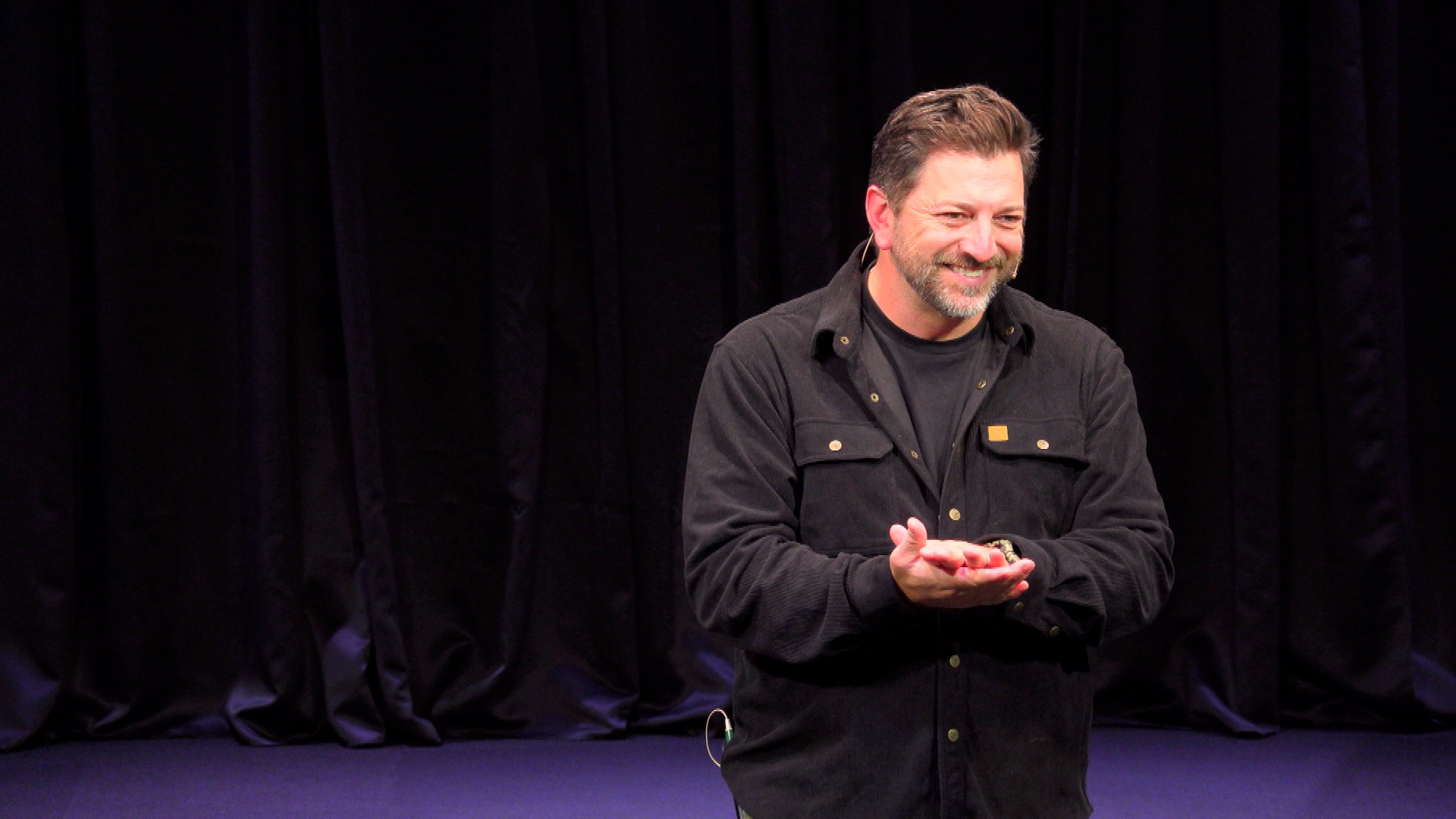
Josh Daubert is the Associate Pastor of Community at Grace Free Church. He is an Outreach Ministry graduate from Clarks Summit University, and has been a part of our church for a number of years. Josh previously interned for a summer at Grace Free Church, performing a variety of pastoral duties.