
Grace Orwigsburg
Sundays @ 9:00 and 10:30am
Grace Tremont
Sundays @ 9:00am
Grace Online
Sundays @ 9:00 and 10:30am
Don't Quit When You’re Running on Empty
- August 30, 2026 / Josh Daubert
Burnout rarely happens all at once. It builds slowly until we feel exhausted, isolated, and like we have nothing left to give. Elijah knew that feeling. After experiencing some of the biggest victories of his life, he suddenly hit a wall and wanted to quit. Instead of shaming him, God met him with exactly what he needed: physical rest, His presence, and people to walk alongside him. Elijah's story reminds us that reaching our limit doesn't make us weak or a failure—it makes us human. When we're running on empty, we don't have to push harder or pretend we're fine. We can slow down, take care of ourselves, draw close to God, lean on people we trust, and allow God to restore what has been depleted.
KEY VERSES:
- 1 Kings 17
- 1 Kings 18
- 1 Kings 19:1-18
- 1 Peter 5:6-9
- Matthew 11:28
HIGHLIGHTS:
-
Burnout Is Different From Having a Bad Day
- Stress, anxiety, and feeling overwhelmed can hit us in the moment. Burnout usually accumulates over time.
- Eventually we reach the place where we think, "I can't keep doing this."
- Reaching your limit doesn't mean you're a bad Christian. It means you're human.
-
Even Strong People Hit a Wall (1 Kings 17–19)
- Elijah had experienced God's provision, protection, and some incredible miracles.
- In 1 Kings 18, he experiences an enormous victory on Mount Carmel.
- Then Jezebel threatens his life, and Elijah runs. (1 Kings 19:1-4)
- Exhausted and afraid, he finally tells God, "I have had enough."
- A person can have tremendous faith and still become physically, emotionally, and mentally exhausted.
-
Burnout Makes Us Vulnerable
- We forget what God has already done. Elijah temporarily loses sight of all the ways God had previously provided for him.
- We don't always think clearly. Physical, emotional, mental, and spiritual health affect one another.
- We isolate ourselves. Elijah leaves his servant behind and goes into the wilderness alone.
- We become desperate for the wrong things. When we're empty, we'll naturally look for something to fill us, and it isn't always healthy.
- That's why we need to remain alert and grounded. (1 Peter 5:8-9)
-
Step One: Get Some Rest (1 Kings 19:5-8)
- God doesn't begin with a lecture. He lets Elijah sleep.
- An angel gives Elijah food and water and tells him to rest again.
- Sometimes the most spiritual thing you can do is take a nap, eat something good, and take care of your body.
- Rest isn't laziness. Sometimes it's necessary for restoration.
-
Step Two: Get Back Into God's Presence (1 Kings 19:9-13)
- God isn't found in the powerful wind, earthquake, or fire. Elijah hears Him in a gentle whisper.
- God's presence isn't always experienced through something dramatic or extraordinary.
- A whisper requires closeness. You have to lean in and listen.
- We need quiet spaces where we can shut out the noise and give God our undivided attention.
- Spending time with God isn't just about the amount of time—it's about giving Him our attention.
-
Step Three: Find Your People (1 Kings 19:14-18)
- Elijah believes he's completely alone, but God tells him there are still 7,000 faithful people in Israel.
- God also gives Elijah Elisha, someone who will walk alongside him and eventually succeed him.
- We're not designed to carry everything alone.
- Restoration often includes allowing trustworthy people into what we're experiencing.
-
Come to Jesus Instead of Just Trying Harder
- Jesus invites weary and burdened people to come to Him for rest. (Matthew 11:28)
- We can hand our anxiety to God because He genuinely cares about us. (1 Peter 5:6-7)
- When you're empty, you don't need to keep running the same exhausting race. Let God restore you.
TALK ABOUT IT:
- What's the difference between being temporarily stressed and genuinely experiencing burnout?
- What surprises you about Elijah's reaction in 1 Kings 19 after everything he experienced in chapters 17 and 18?
- When you're exhausted, which tendency do you relate to most: forgetting God's faithfulness, thinking irrationally, isolating yourself, or reaching for unhealthy things?
- Why do you think God's first response to Elijah was food and sleep instead of a spiritual lecture?
- What does God's "gentle whisper" in 1 Kings 19:11-13 teach us about recognizing His presence in everyday life?
- What noise or distraction makes it difficult for you to give God your undivided attention?
- Who are the people you can lean on when you don't have enough strength to carry everything yourself?
- Looking at your life right now, what do you most need: physical rest, time in God's presence, supportive people—or some combination of all three?
APPLY IT:
- Take an honest inventory of yourself: How are you doing physically, mentally, emotionally, and spiritually?
- If you're exhausted, give yourself permission to rest instead of automatically pushing harder.
- Look at your schedule and intentionally remove or postpone something if you're consistently running beyond your limits.
- Pay attention to basics like sleep, food, exercise, and other habits that affect your overall health.
- Create a regular quiet space where you can shut out distractions and give God your full attention.
- Remember specific ways God has helped, provided for, or carried you through difficult seasons before.
- Resist the urge to isolate when you're struggling. Identify a few trustworthy people you can be honest with.
- Instead of trying to manufacture your own strength, take Jesus up on His invitation to come to Him when you're weary.



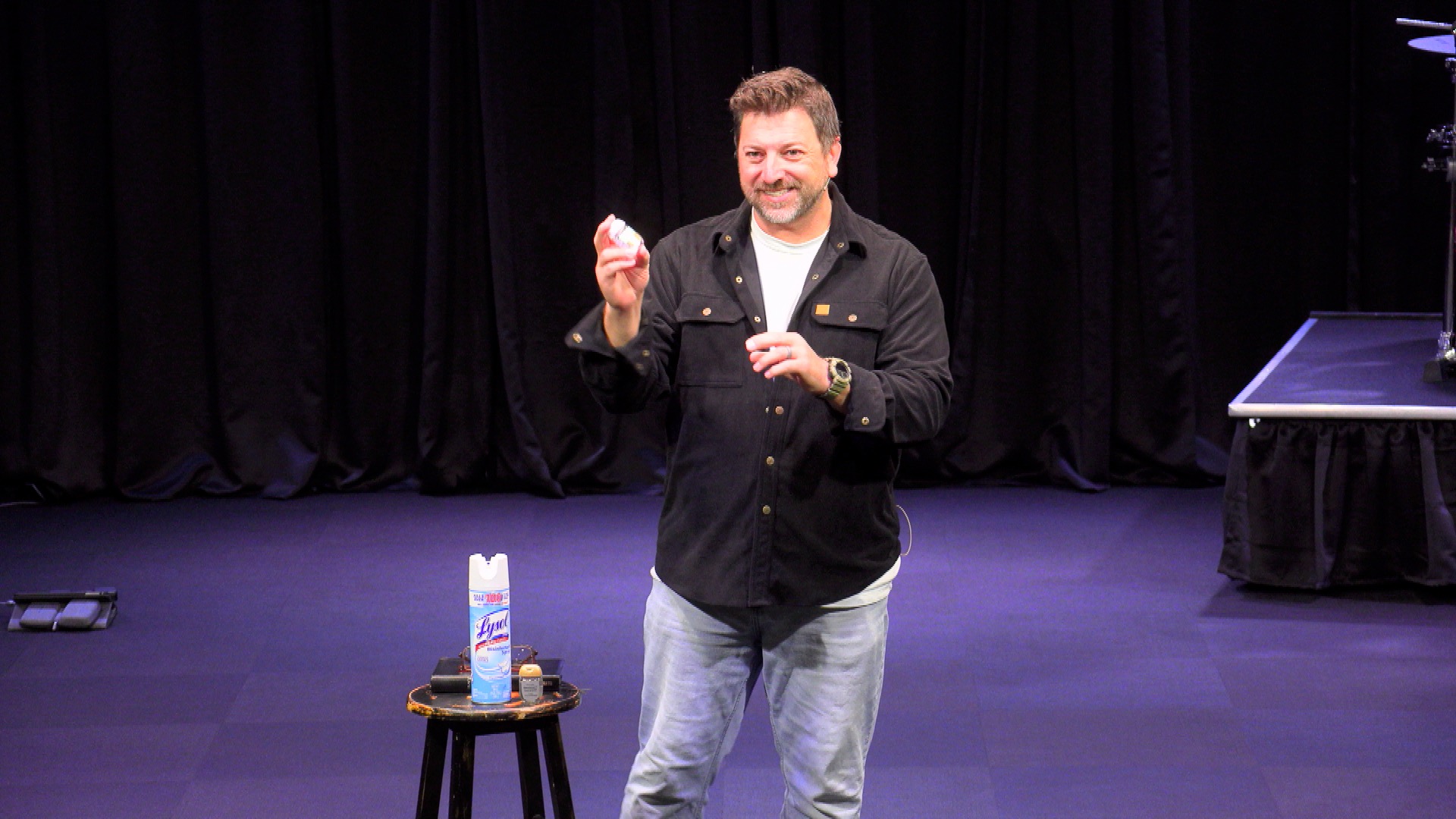
Josh Daubert is the Associate Pastor of Community at Grace Free Church. He is an Outreach Ministry graduate from Clarks Summit University, and has been a part of our church for a number of years. Josh previously interned for a summer at Grace Free Church, performing a variety of pastoral duties.