
Grace Orwigsburg
Sundays @ 9:00 and 10:30am
Grace Tremont
Sundays @ 9:00am
Grace Online
Sundays @ 9:00 and 10:30am
How Did I Get Here?
- March 15, 2026 / Joshua Ott
God asks Adam and Eve two powerful questions after their failure: “Who told you that?” and “Did you eat from the tree?” These aren’t questions meant to shame them—they’re an invitation to pause, rewind the tape, and understand how they got there. The same thing happens in our lives. We start believing lies about ourselves, about God, or about our worth, and those lies slowly shape the choices we make. God’s questions lead us toward two healthy responses: recognizing where those lies came from and taking honest ownership of our decisions. When we stop blaming others and bring our failures to God, we discover something surprising—He already knows everything about us and still meets us with grace, forgiveness, and the chance for a fresh start.
KEY VERSES:
- Genesis 3:11–13
- Psalm 139
- 1 John 1:9
HIGHLIGHTS:
- Intro – “How Did I Get Here?”
- We all have moments where life spirals and we wonder how we ended up here.
- Personal story about starting a small fire as a kid and realizing consequences fast.
- Sometimes God gives us pause moments to reflect and change direction.
- The Scene in Genesis 3 (Genesis 3:11–13)
- Adam and Eve hide after eating the fruit.
- God interrupts their shame with questions.
- These questions are not punishment—they’re an invitation back to Him.
- Question 1: “Who Told You That?”
- God asks about the source of the lie.
- We often live based on messages we’ve believed about God, ourselves, or life.
- Rewinding the tape helps us see where compromise and lies started.
- Question 2: “Did You Eat It?”
- A simple yes-or-no moment of ownership.
- God isn’t asking for excuses—He’s inviting honesty.
- Owning our choices opens the door for restoration.
- God Already Knows Everything (Psalm 139)
- God knows our thoughts, actions, and failures.
- That feels scary—but it also means we can’t shock Him.
- Even knowing everything, He still pursues us with love.
- The Trap of Blame (Genesis 3:12–13)
- Adam blames Eve.
- Eve blames the serpent.
- Blame feels safer but actually pushes grace further away.
- The Path Back: Confession and Grace (1 John 1:9)
- When we confess honestly, God forgives and restores.
- The gospel shows that God is the safest place to admit our failures.
- The Invitation
- Pause.
- Rewind the tape.
- Own your choices.
- Experience God’s grace.
TALK ABOUT IT:
- Have you ever had a moment where you asked yourself, “How did I end up here?” What happened?
- What lies about yourself or about God have influenced your decisions in the past?
- Why do you think people tend to blame others instead of taking responsibility?
- How does knowing God already sees everything change the way you approach confession?
- What would it look like to “rewind the tape” in a current struggle in your life?
- Why is it sometimes easier to hide from God than to be honest with Him?
- How does 1 John 1:9 reshape the way we think about failure and forgiveness?
- What step could you take this week to move toward healing or restoration?
APPLY IT:
- Take time to pause and honestly ask yourself, “How did I get here?”
- Identify the lies you may have believed about God, yourself, or your worth.
- Pay attention to patterns in your decisions that keep leading to the same outcomes.
- Stop blaming circumstances or other people for your choices.
- Practice honest confession to God instead of hiding or pretending.
- Remember that God already knows your worst moments and still loves you.
- Replace lies with truth about your value and identity.
- Trust that God’s grace is bigger than your mistakes.



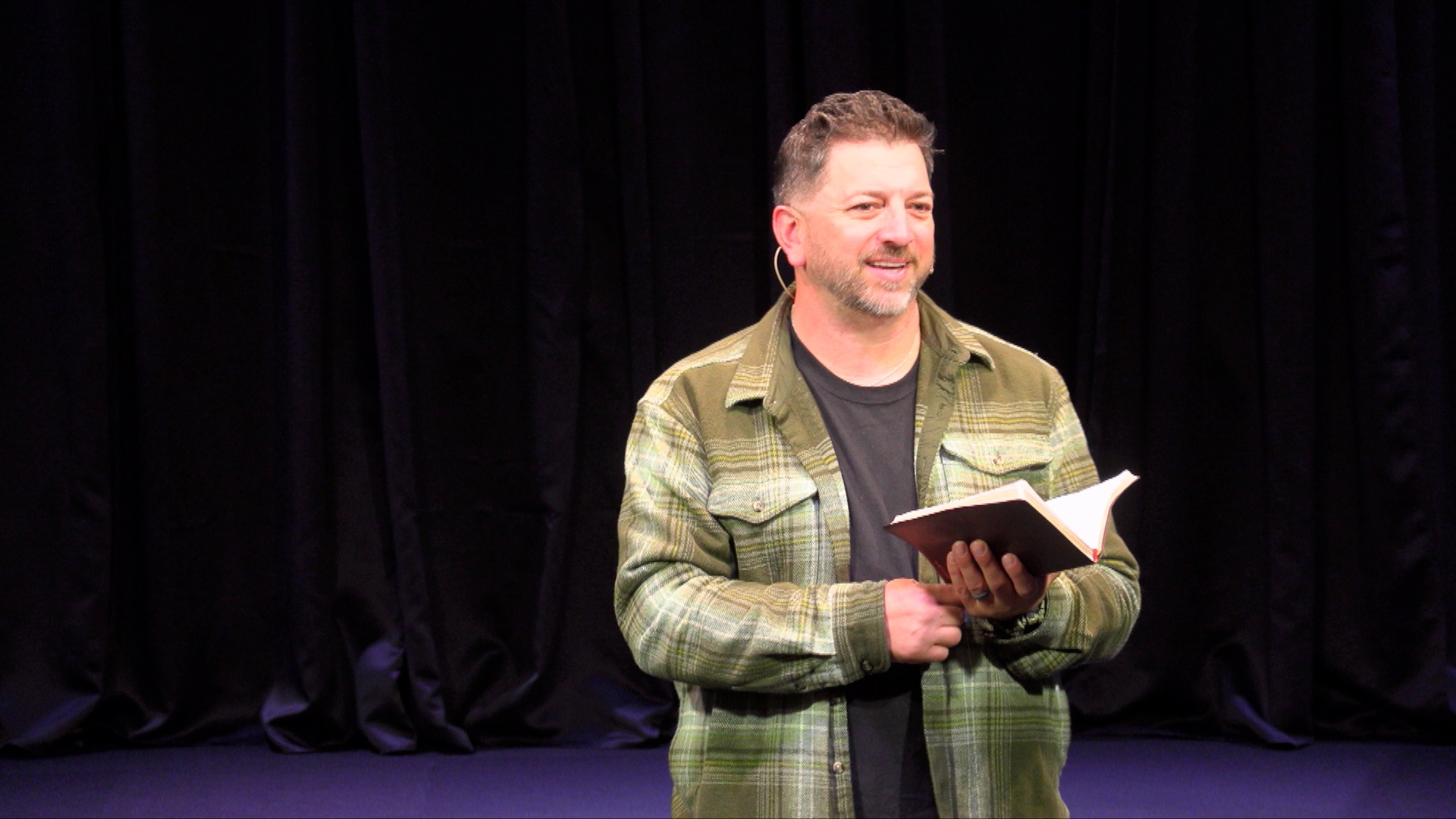
Born and raised in Schuylkill County, Josh is passionate about Grace being a church that reaches the entire county. He drives the vision, content, clarity, and leadership cohesion at our church. Josh loves old Harleys, fly-fishing, and Philly sports, but not nearly as much as a he loves spending time with his family.